The choice between August and September in Amboseli is genuinely close. Both months sit inside the strongest dry-season window Kenya offers. Both are good for elephants, open roads, and Kilimanjaro potential. The real split is not quality. It is tone.
August feels like the obvious peak. September often feels like the smarter, calmer version of it.
Understanding that distinction will help you decide which month actually fits your travel style and goals.
Why Both Months Are Strong
Before getting into differences, it helps to establish what both months share.
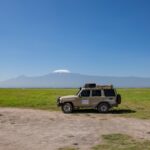
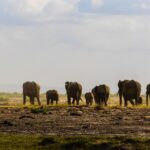
Amboseli‘s dry season runs from roughly June through October. By August, the landscape has been drying for two months. Dust builds on the plains, water sources concentrate around the swamps, and wildlife clusters in predictable zones. Visibility is excellent. Roads are firm. The iconic Amboseli combination of elephant herds against Kilimanjaro’s snowcap is achievable on most clear mornings.
September inherits all of that and carries it into slightly cooler, sometimes cleaner air as the season matures. The fundamental safari conditions remain strong.
What changes between the two months is more subtle: the density of other travelers, the overall pricing environment, and something harder to measure but very real in practice – how the trip feels to be on.
Amboseli in August
August is the month most people mean when they say “dry season safari.”
Conditions in August:
- Dust levels are high, which is part of the aesthetic but also affects certain photography compositions
- Wildlife is easy to locate because water concentrates around the swamps
- Elephant herds are large and active in predictable areas
- Kilimanjaro views are strong in the early morning before cloud builds
- Park traffic is at or near its seasonal peak
For first-time visitors to Amboseli, August has an almost reassuring clarity to it. The park is operating at full capacity, guides know exactly where to focus, and the combination of reliable wildlife and iconic scenery means the trip is unlikely to disappoint.
The trade-off is that you will be sharing that experience with more vehicles, more travelers, and often higher nightly rates. Those factors do not ruin the trip. But they shape it.
Amboseli in September
September keeps almost everything people love about August. The shift is gradual rather than sudden.
What September delivers:
- Dry-season structure that remains very strong
- Wildlife still concentrated and easy to find
- Elephants as reliable as any month of the year
- Kilimanjaro visibility that can actually sharpen slightly as dust settles
- A modest reduction in vehicle density and visitor pressure
This is why September has a quiet reputation among travelers who have been to Amboseli more than once. The wildlife is not dramatically better than August. But the experience around it often feels more composed.
Photography travelers, in particular, tend to notice this. In August, the best compositions can feel competitive. In September, there is more room to be patient, to wait for the shot, to reposition without pressure.
Wildlife: Almost No Meaningful Difference
Splitting August and September on pure wildlife quality requires more precision than the data supports. Both months deliver:
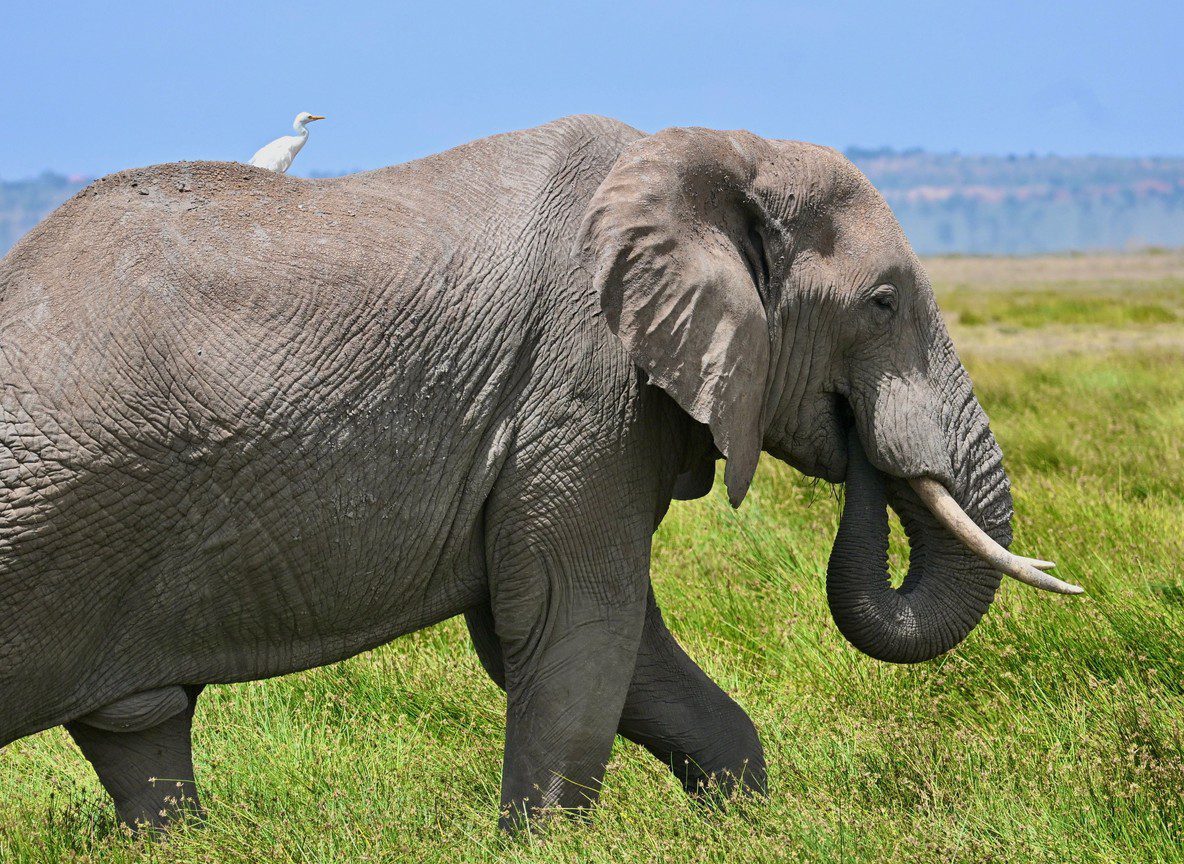
- Strong elephant viewing across the main swamp zones and open plains
- Lion and cheetah present and findable with a good guide
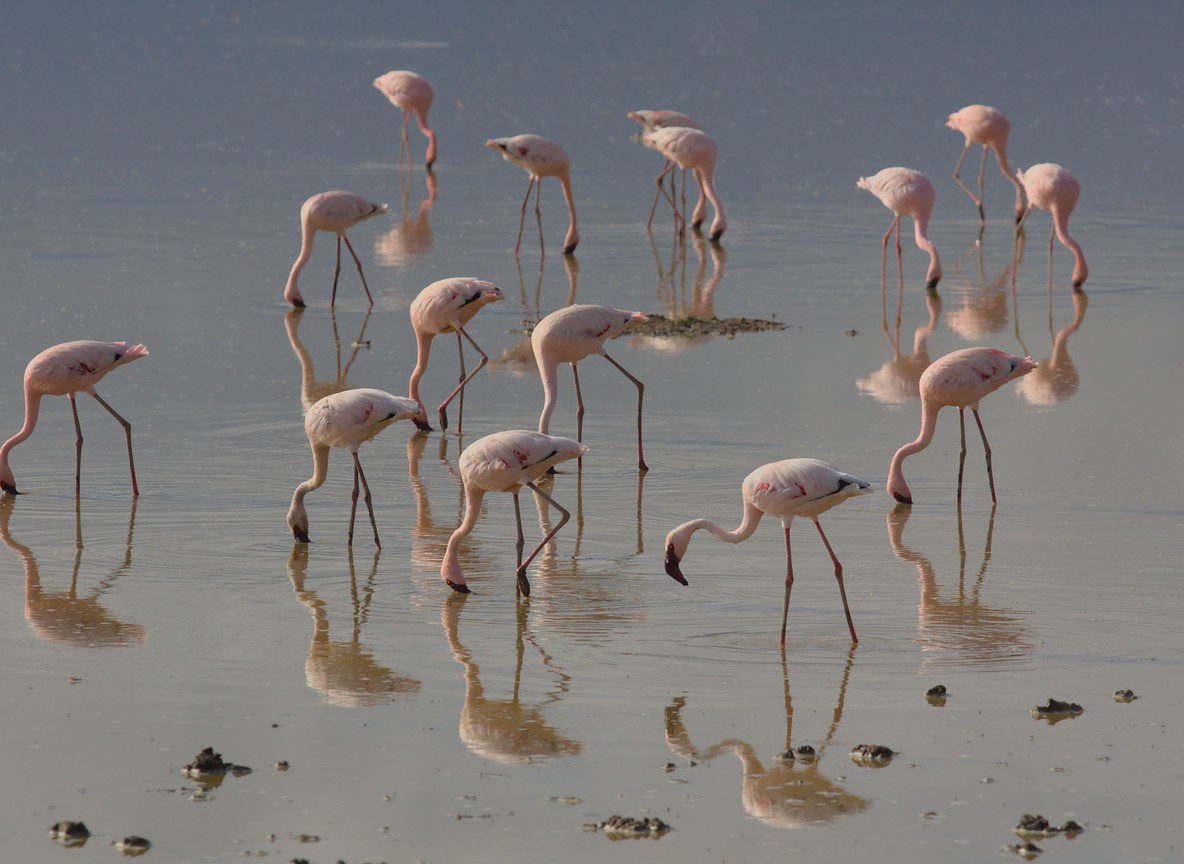
- Excellent birdlife, though the real birding peak comes slightly later in the year
- Hippo in the swamps year-round
- Dry-season clarity that makes longer-range observation genuinely productive
If your decision comes down purely to which month has better wildlife, you will not find a meaningful answer. The difference lives in the experience around the wildlife, not in the wildlife itself.
Photography: September Has the Edge
This is one of the clearer differences between the two months, though it is still a matter of degree.
Amboseli in August is excellent for photography. The dust creates atmospheric morning light. The elephant-and-mountain compositions are as good as anywhere in East Africa. The scenes are dramatic.
September often photographs slightly better for a specific type of traveler: the one who values patience and composition over pure spectacle.
Why September can feel more rewarding for photographers:
- Vehicle density is lower, so popular viewpoints are less crowded
- The air can feel cleaner as dust settles
- There is more room to wait without pressure from arriving vehicles
- Early morning cloud on Kilimanjaro clears on a higher percentage of days
None of this makes August a poor photography month. It is excellent. September just tends to give serious photographers more breathing room.
Kilimanjaro Views
Both months are strong for Kilimanjaro. The mountain is most visible in the early morning before heat haze and afternoon cloud build up. That pattern holds throughout the dry season from June to October.
The one nuance worth noting is that August, being slightly dustier, can soften the mountain’s outline on some mornings. September, as the air cleans up slightly, can produce crisper views. But this is variable day by day and cannot be reliably predicted in advance.
If your trip to Amboseli is specifically about getting the mountain in your photographs, plan for multiple mornings regardless of which month you visit. One morning is rarely enough for a guaranteed clear view.
Crowds and Comfort
This is where September earns its reputation as the expert pick.
August is peak season. That means:
- Higher nightly accommodation rates across most camps and lodges
- More vehicles at popular sighting points
- More competition for the best early-morning positions on the plains
- A generally busier atmosphere in and around the park
September is still dry season, so it is not cheap or quiet in an absolute sense. But relative to August, it consistently feels less compressed.
The difference is noticeable if you are staying at a mid-tier or boutique property where the atmosphere of the camp matters as much as what you see on drives. August fills camps. September gives you more room.
Value
Both months are priced as dry season. The gap between them is not enormous, but September rates at many Amboseli properties tend to be somewhat more negotiable than August rates, particularly if you are booking closer to your travel date.
If budget is a real factor in your planning, September usually offers slightly better value for the same quality of wildlife experience.
Matching the Month to Your Travel Style
Here is the most honest way to frame the choice:
Choose August if:
- This is your first time visiting Amboseli and you want the clearest, most confident answer
- Peak-season energy appeals to you rather than bothering you
- Your dates are fixed and August works
- You want the assurance of the classic dry-season label
Choose September if:
- You want nearly identical wildlife with a calmer atmosphere
- Photography rhythm matters to you and you value breathing room
- You have been to Amboseli before and want the trip to feel different
- You are sensitive to crowd levels or prefer a quieter experience
Either month works for:
- Families visiting for the first time
- Couples wanting the elephant-and-mountain experience
- Wildlife photographers at any level of experience
- Travelers combining Amboseli with other Kenya parks
Quick Comparison Table
| Factor | August | September |
|---|---|---|
| Wildlife visibility | Excellent | Excellent |
| Elephant reliability | Excellent | Excellent |
| Kilimanjaro potential | Strong | Strong to very strong |
| Crowd pressure | Higher | Moderately lower |
| Photography breathing room | Good | Better |
| Accommodation value | Peak pricing | Slightly more flexible |
| First-time visitor fit | Excellent | Excellent |
| Repeat visitor appeal | Good | Very good |
The Short Answer
If you want the classic, obvious dry-season Amboseli experience, August is the right answer and an easy recommendation.
If you want nearly the same conditions with a slightly calmer feel and more room on the plains, September often ends up being the better trip. That is why experienced safari planners tend to rate it quietly higher, even if they never push it as loudly as August.
The wildlife difference is small. The experience difference is more real.
Plan Your Amboseli Visit
For more Amboseli planning guides including camp comparisons, itinerary structures, and seasonal breakdowns, visit touringinsights.com. The official Amboseli National Park information is maintained by the Kenya Wildlife Service.
Every trip described here can be tailored: dates, budget, camps, and pace built around you.
Get a Personalised Safari